 A blend of folklore and fact explains how Samuel Clemmons became Mark Twain, another byproduct of the famed author’s time as a riverboat employee. The most validated tale revolves around captain Isaiah Sellers and his pragmatic descriptions of the Mississippi River—its water levels and favorable, or not, sailing conditions. In the margin of his logs, it’s said that Sellers embellished the dry waterway notes, detailing the river with more interesting and less perfunctory information. He’d sign his all his findings—exaggerated and unadorned—“Mark Twain.” And so was born the identity that Samuel Clemmons chose for his own writing. The words he saw as extensions of the truth, or the fiction we know as Tom Sawyer and Huckleberry Finn.
Fast-forward a century and a half, to J. K. Rowling, who chooses her pen name based on a business hunch. Would pre-teen and teenage boys (her intended audience for the yet to be published Harry Potter) respond favorably to a woman’s name (Joanne) on the book’s cover? Well, in addition to a great story, it certainly didn’t seem to hurt.
Between Twain and Rowling, countless authors have chosen pen names for a variety of reasons—some gender bending, others to protect their privacy, ease of use if their given name were nearly unpronounceable, or to avoid confusion. Should you have suffered the curious luck of being born Stephen King or Margaret Mitchell, and decide, you too, were a writer, separating yourself from these greats would be a no-brainer. If not, be prepared. Any and all comparisons are guaranteed literary suicide.
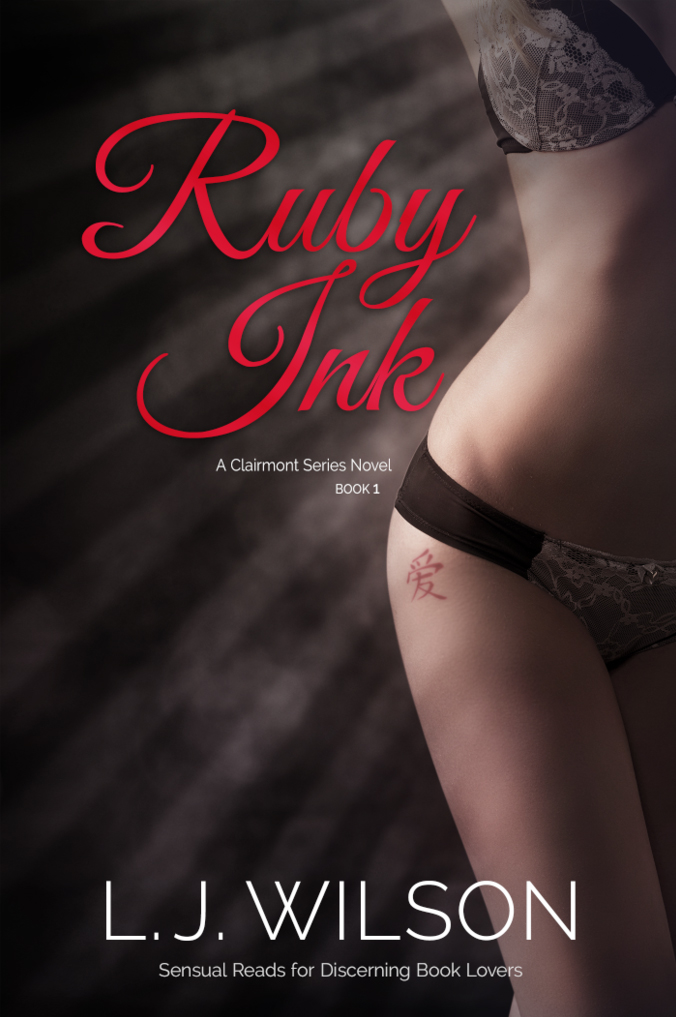
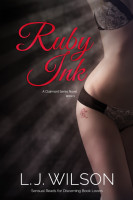
With the dizzying metamorphosis of publishing, authors have turned the pen name page again. A pseudonym, along with the aforementioned uses, also signals a shift in genre—something more and more authors are embracing. Rebranding is how trendsetters and even traditional publishing houses refer to it, and L. J. Wilson is my own example. After publishing two women’s fiction novels, the idea sprouted to do something… shall we say, tastefully risqué. Not long into the first draft, it became apparent that if I wanted to write sensual romance, if I wanted to properly brand myself and the Clairmont series, a pen name was paramount.
I tried on names like dresses in a fitting room—you just know what’s a keeper and what to toss aside. I thought about pseudonyms that might resonate with readers, wondering what would do more harm than good. In the end, I went with something that was a natural fit, choosing my maiden name and initials. Because I’m so pleased with Ruby Ink, and having developed such a fondness for the Clairmont stories, I was fine with closely associating, and hardly hiding the fact that L. J. Wilson and Laura Spinella are the same person.
Is it necessary? Will the trend continue? Could Laura Spinella have just as easily written Ruby Ink? Opinions will vary, and like everything else in publishing, no one knows for sure. But I suspect there’s a good chance J. K. & Robert Galbraith would agree with that much.