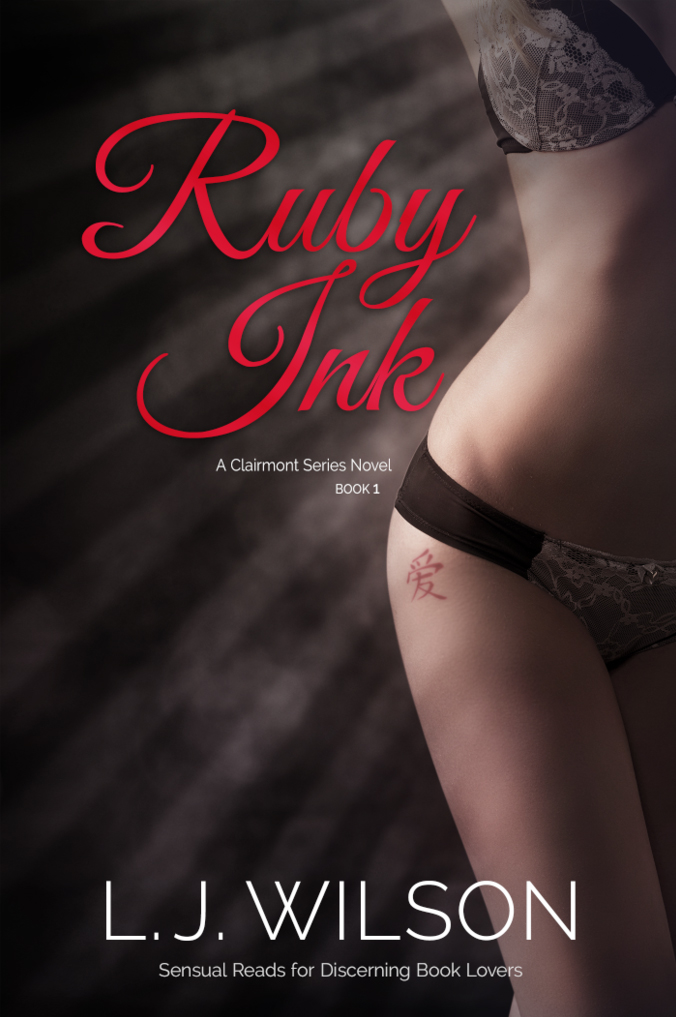
The blog below originally appeared on One Curvy Blogger. Many thanks to Sarah, who had this to say about Ruby Ink: “Hey, Curvy Readers! Today I have a guest post to share with you guys. Earlier this week I reviewed Ruby Ink. I loved it so much, I invited L.J. Wilson back so she can give us an in-depth peek at the author behind such a unique story!”
 If we met at a party, on an airplane, or got stuck in an elevator, then were asked “Can you tell me something about L. J. Wilson?” the last thing you’d answer is “She writes romance.” Sarcastic, wine drinker, cat person, lover of Georgia football (woohoo, Georgia fan!) and inappropriate humor, any of those would be a solid guess—and you’d be right. I don’t wear romance writer on my sleeve and I tend to roll my eyes at rom-coms. I never got Jane Austen. I am a poor representative of my romantic writing peers.
That said, show me a man with a desperate story and an unshakable love for one woman and I’ll make a hero out of him. I’m fascinated by unearthing the good in a character, and my niche is damaged men. Maybe it’s because the breed is rare and odds of success so small. The best male characters, for me, are those who confound readers in the role of hero but prove to be exactly that. And I’m not talking textbook bad boy, but protagonists challenged by extraordinary circumstance. I’m drawn to their dilemmas—imaginary as they may be—and I love to write about them. Is it fantasy? Perhaps. Is it possible? I like to think it is. Am I encouraging hot daydreams and wistful happy endings? Damn, I sure hope so.
I’ve dabbled in other genres. It’s been suggested that I write thrillers. I’m not so bad with intense action scenes—the rhythm oddly mirrors heated romance—but I’ve always known enough to say “What’s the point?” If I were to spend two-hundred pages plotting a spy novel involving cold war countries and high-tech tactical operations, I’d only end up telling you the love story. How the rebel forces leader—the one who’s really a covert U.S. operative—is secretly planning to rescue his lover, held hostage by an old nemesis.
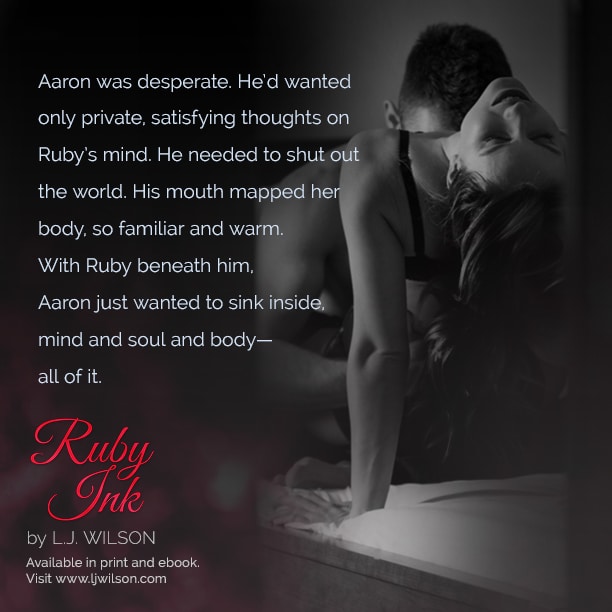
My Laura Spinella novels, Beautiful Disaster and Perfect Timing (and a third, Ghost Gifts, out next year) are categorized as women’s fiction, but at the heart of each book is a romance. When you write like that it’s a lot to balance. You have to weave romance into other layers, giving each portion of the story amble elbow room. When I committed to Ruby Ink and the Clairmonts, I dove in head first and hard. It was wildly freeing. Readers in this genre would not only welcome, but demand, serious steam. I hope I delivered. I also hope you’ll join me as we unravel the love lives of the entire Tribe of Five—Alec, Aaron, Honor, Jake and Troy—even their never-married parents, Sebastian and Evie, who have their own surprising tale to tell. When it comes to a sexy, thrill-seeking read, you never know what a Clairmont will bring to the pages.


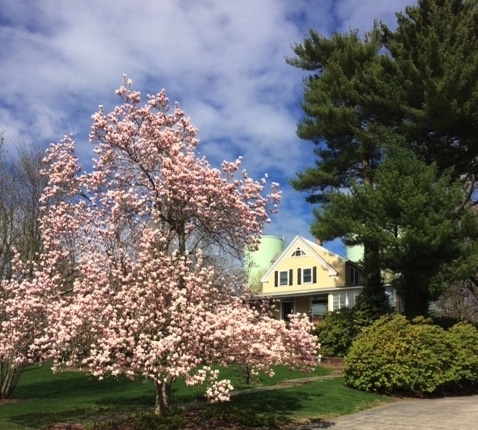 I live an old house. It makes sense: writer, vintage property, high on a hill, seclusion. If the liquor store delivered, I’d never leave. Atmosphere is never in short supply, the house adapting to seasons like a clapboard chameleon. I connected to this house the second I saw it, even after confronted by a kitchen that looked like something the Property Brothers would reject. In its favor was a to-die-for sunroom and built-in character, the kind modern homes can’t possibly produce.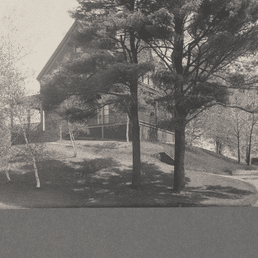
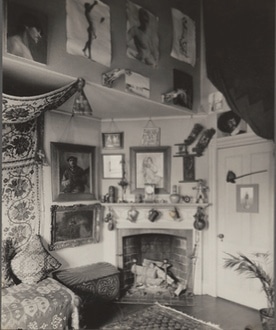 But at a glance, much of the square footage didn’t make sense, neither did the grandeur. The rooms in these photos were dressed like a manor home, not my period Arts & Crafts abode. It was confounding, but eventually I realized how architectural changes aligned with long-ago photos. This was my house, inside and out. But who were the Rathbuns—a name I’d never heard of? It took some digging to unearth the family, in particular Anna Rathbun. She was a highly accomplished woman for her era and this one. A graduate of Wellesley College, she was schooled in the fine arts, furthering her artistic pursuits in Paris. Apparently, she brought her passion for all art forms into our house, which turned out to be a summer home for the well-to-do Rathbuns of Providence.
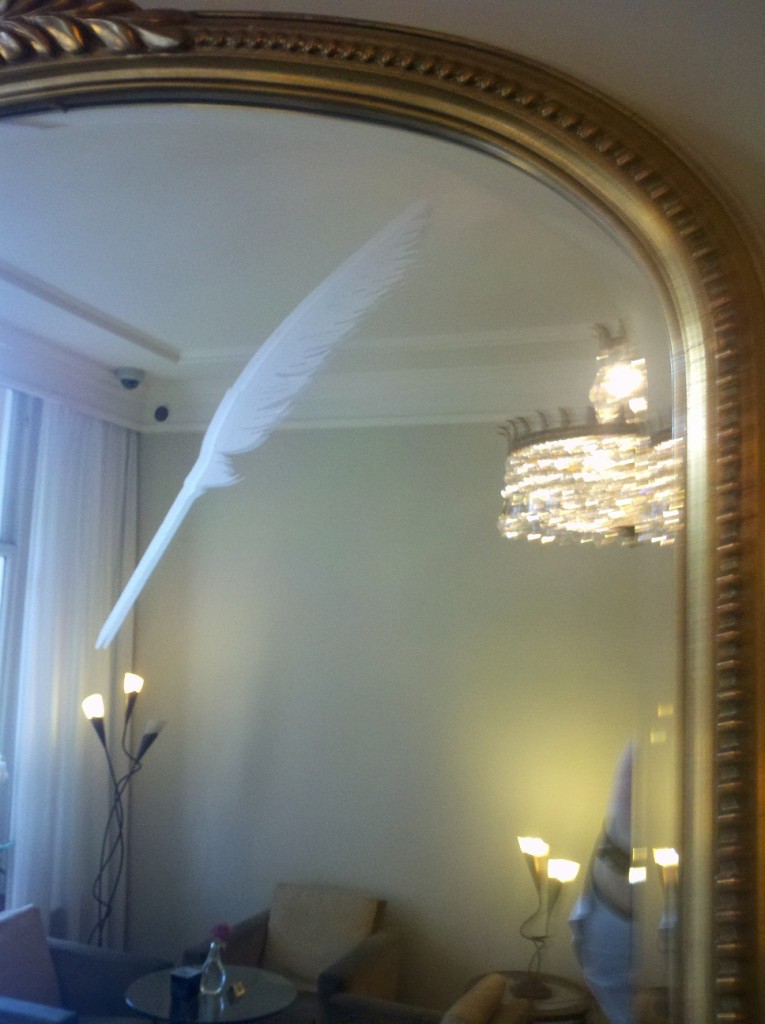 I wonder if writers dream differently. It seems like they should. We’re people immersed in parts of our brains that leave others curious as to why we’re not medicated—hourly. On occasion, readers ask if I dream the plots of my books. To a point, yes. But surely not in the way they think—like a movie with an all access pass. I tend to dream on higher ground, if that makes sense. It means I have to search for the connection between the work in progress and the dream. It’s there. It’s just not always obvious.
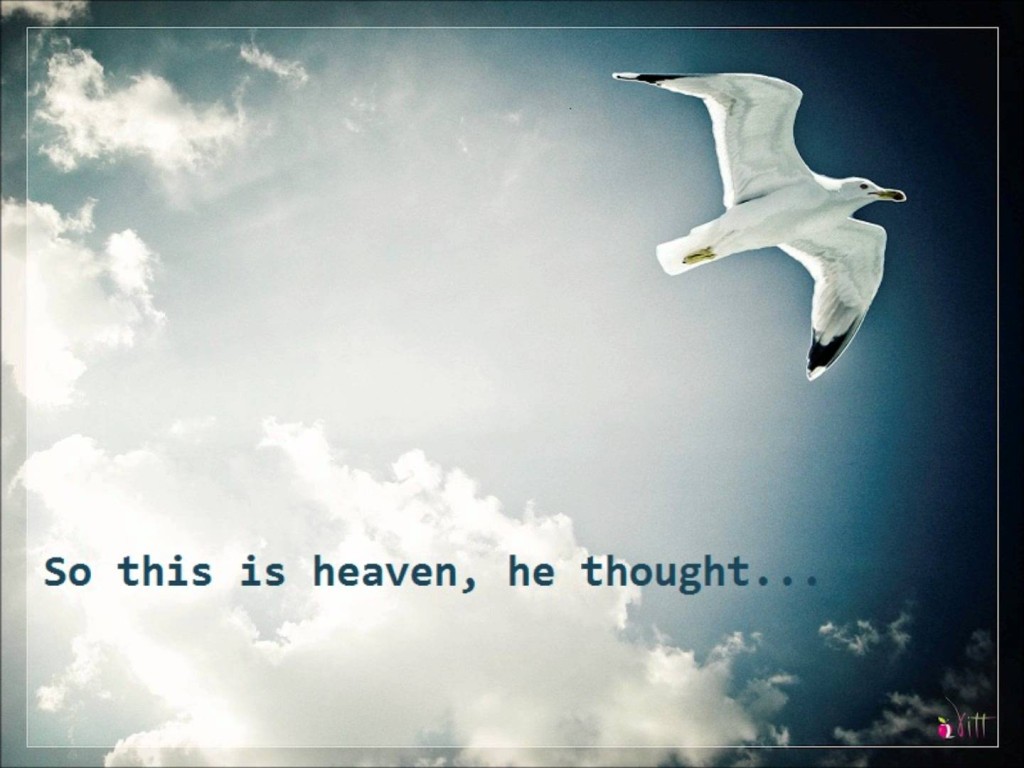 But not all reverie produces vampires, monsters and psychopaths. The most metaphorical, dream-themed novel is probably Jonathan Livingston Seagull. Author Richard Bach credits a “disembodied voice” whispering the beginnings of the novel in his sleep. Unfortunately, the message fell short, not supplying the middle or end of the allegory. It would take Bach another eight years to complete the fable that elevates a seagull from the basic instinct of scavenging for food, to pursuing flight as the seabird’s higher calling. The unlikely premise also skyrocketed book sales, eventually knocking Gone With the Wind off the all-time bestseller list.
 “There are a thousand steps…” It’s my favorite line from my favorite movie. It’s a malleable multipurpose phrase, great for teenagers prepping for SATs and works well with husbands asked to purge garages filled with 15 years of junk. Excuse me, valuable odds and ends, for which a purpose may be imminent.